
Selftropy
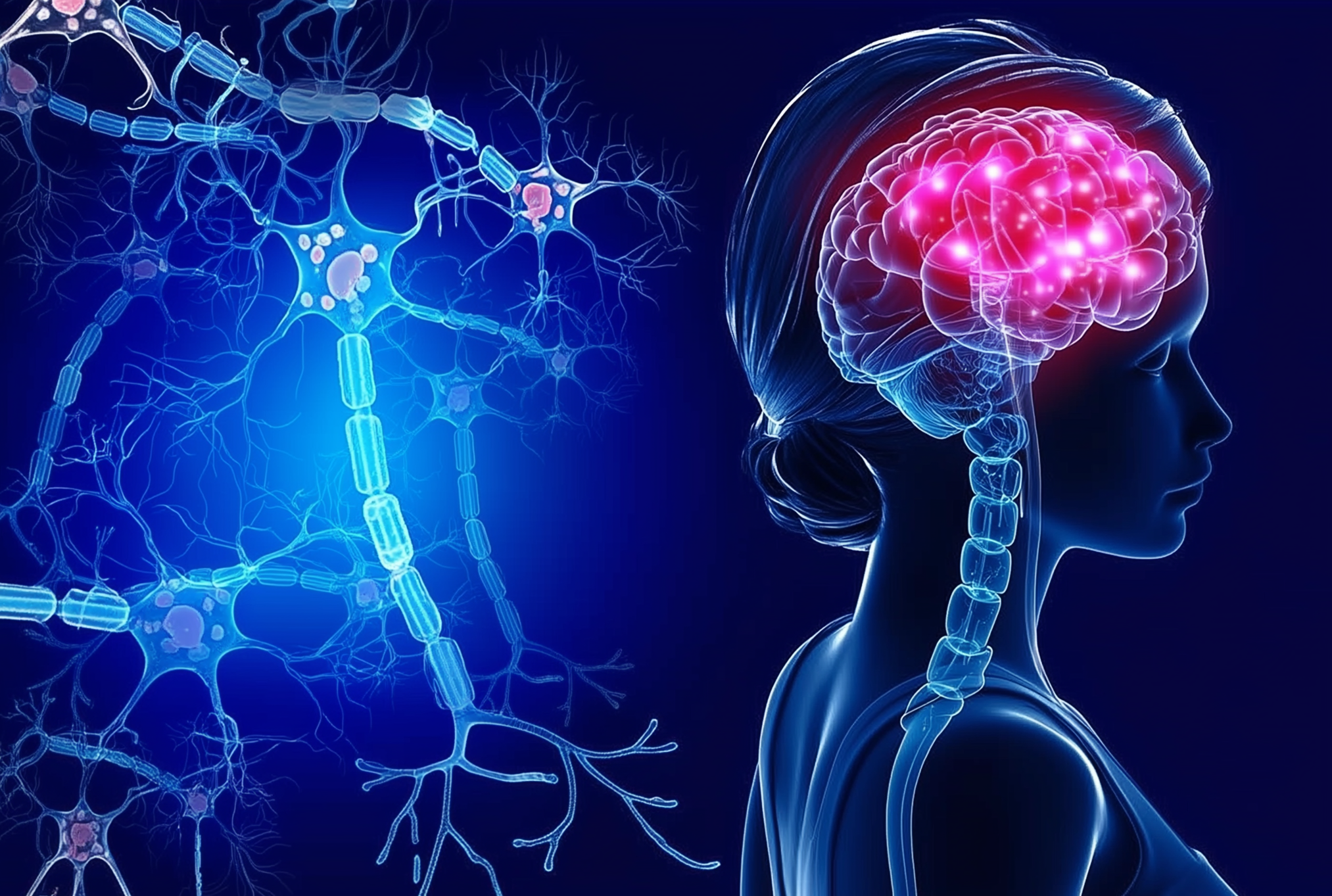
“Selftropy® is an applied, science-based framework for developing long-term healthy living habits and increasing health span. Built around the realities of contemporary life, Selftropy Living offers a portfolio of self-directed tools, asynchronous courses, live training, and workshops tailored to key modern challenges. With a focus on reducing stress, enhancing energy, and supporting people in pursuing their ambitions and daily goals, the Selftropy protocols combine behavioural health, spatial design, time structuring, and chronobiology-informed routines.”
Selftropy® Protocols for…
Time. Space. Self-Narative.
A science-based framework for living well in the Health Age
Part of your selftropic journey, you will learn through practical tools how to improve your wellbeing by adjusting how you live, what you surround yourself with, and how you speak to yourself.
Selftropy Pillars :
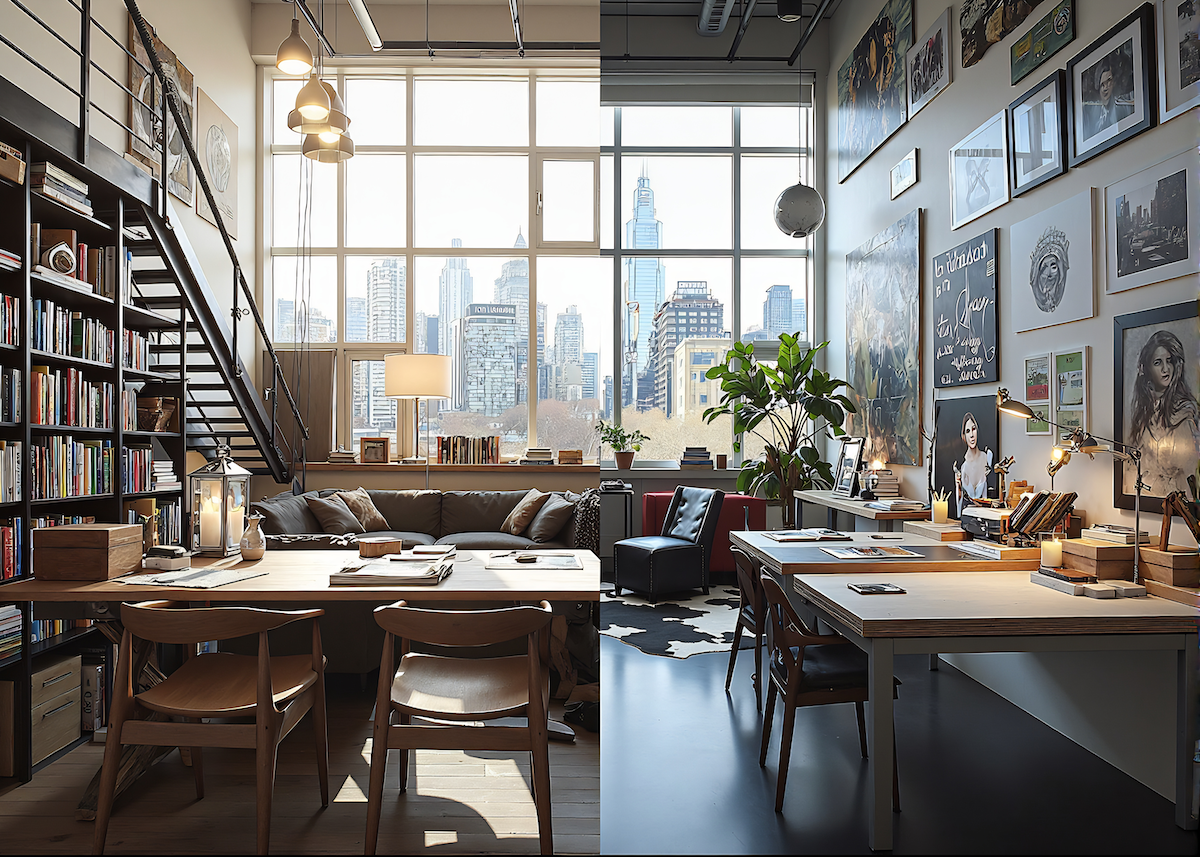
Spatial Therapy ➝ the use of interior design tools and layout strategies to create environments that lift your mood and support focus, motivation, enhane energy, or restore calm; Selftropic Protocols ➝ simple routines that help you manage your time and habits in ways that feel more natural and less overwhelming; Inner Narrative Language ➝ subtle techniques to shift how you talk to yourself, so you can stay more balanced and confident even under stress.
Selftropy is ROOTED IN FINDINGS from POSITIVE PSYCHOLOGY, NEUROSCIENCE, ARCHITECTURE, and PSYCHOLINGUISTICS
The selftropic system is based on the interaction between self, space, and chronobiology. As an interdisciplinary method, Selftropy combines tools from these fields into practical, applied ways to strengthen wellbeing.
Read the Selftropy® conceptual White Paper exploring preventative health, chronobiology, spatial therapy, behavioral regulation, and the relationship between time, environment, and wellbeing.
Selftropy Protocols, Workshops, and Training
-
Reshape Program
Life-work balance
Reshape is a health-focused program developed to build a more sustainable relationship with your workday. It is best suited for people working in high-pressure, deadline-driven, and cognitively demanding environments where work often continues mentally long after the workday ends.
-

Sleep Reset Program
A sleep health and sleep recovery program developed to help people build a more stable relationship with sleep through practical adjustments to daytime structure, nighttime behavior, and environmental conditions. It is best suited for individuals experiencing unstable, pressured, or inconsistent sleep influenced by stress, cognitive overload, irregular schedules, or recurring nighttime awakenings. the atmosphere we create to the way each session flows.
Make life more manageable and rewarding, the framework offers three protocols that work as one system: micro-structuring daily time, adjusting the surrounding environment, and interpreting daily activities through a clear and constructive mental lens.
By adopting the Selftropic methods of daily life, you will:
thrive in neurodesigned interiors
exert control over your personal narrative
perform at the intersection of a creative lifestyle and positive empowerment
harness the emotional bond with your time/space surroundings to regulate your mood and optimize your mental state
The Selftropy Journal shares new ideas, research, short exercises, and reflections on health, daily life, chronobiology, space, and behavior through the lens of the Selftropy® Framework.
Aligned with initiatives such as the Wellbeing Economy Movement (e.g., WEAll), Selftropy® is an Interdisciplinary theory and framework that translates health and behavioral research into the structure of daily life, supporting more sustainable human performance and long-term societal and economic resilience.
Selftropy contributes to the growing global shift toward a health-centered economy, where wellbeing, prevention, and daily functioning are treated as core drivers of long-term value. It sits alongside emerging frameworks in behavioral health, neurodesign, and lifestyle-based health, translating these ideas into practical, everyday application through the structure of the day and the environments people live and work in.